
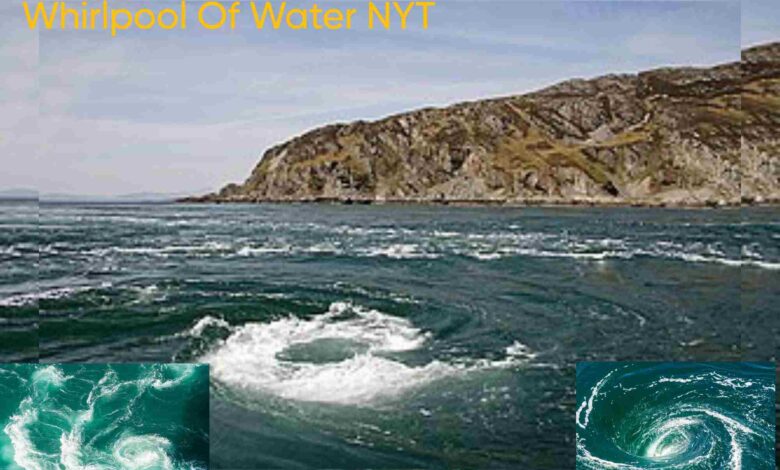
A purl is much more than a mere moving of irrigate; it is a demonstration of the underlying forces that govern fluid dynamics in nature. The dramatic spinning motion of irrigate, pull objects into its depths, is an awe-inspiring sight that has intrigued populate for centuries. Whether it is a moderate whirlpool in a kitchen sink or a solid one in the open sea, the shaping of whirlpools follows the same basic principles of changeable gesticulate. To truly appreciate the phenomenon of whirlpools, one must empathize the forces at play that cause the water to spin in such a striking way. whirlpool of water nyt.At its core, the shaping of a swirl is a result of the interaction between incoming irrigate currents and the surrounding environment. A swirl forms when opposing water currents meet, or when irrigate is funneled into a specialise quad, creating an unbalance in flow that forces water to coil inward. As the irrigate moves, it begins to rotate, creating a funnel-like form with a distinguishable coil model. The spinning motion occurs due to centripetal wedge, which pulls water toward the center, while water squeeze pushes outward. The result is a vortex of whirling water that can be hypnotic to watch.
Whirlpools vary in size and loudness depending on the potency of the forces that cause them. Small whirlpools, like those seen in sinks or bathtubs, are often created when water drains from a washbasin, causation the water to spin in a modest circle before being pulled down the drain. In contrast, big ocean whirlpools are caused by more interactions between sea currents, periodic event forces, and submersed topography. These solid whirlpools can form in areas where fast-moving currents clash or in specialise pass where the irrigate flow is qualified, amplifying the swirling motion and creating mighty forces that can be risky to ships and boats.
One of the most enchanting aspects of whirlpools is their role in ecosystem kinetics. Large ocean whirlpools play a indispensable role in mix irrigate and nutrients, which helps sustain devil dog ecosystems. These mighty spirals churn through the irrigate, drawing up nutrients from the depths and spread them throughout the sea. This nutrient-rich irrigate provides food for plankton and other Marine organisms, creating a productive environment that supports a wide range of sea life. Whirlpools thus answer as an epochal part of the natural water cycle, facilitating food statistical distribution and supporting marine biodiversity.
Despite their potency dangers, whirlpools also volunteer valuable insights into the contemplate of irrigate currents and fluid mechanism. By perusal how whirlpools form and comport, scientists can gain a better understanding of water flow kinetics, which can be practical to William Claude Dukenfield ranging from environmental skill to engineering. Understanding whirlpools also has virtual implications for seafaring and marine safety. Mariners and sailors have long used knowledge of whirlpools to keep off harmful Ethel Waters and control safe passage through known purl zones.
In termination, whirlpools are not only one of nature’s most entrancing phenomena but also a testament to the superpowe of irrigate. The forces that these right currents are a key component part of the Earth s fluid systems, formation the flow of oceans, rivers, and lakes. Whether they are small, atoxic whirlpools or solid, wild periodic event ones, their meditate provides worthful insight into the changeable kinetics of our planet. Whirlpools cue us of the , ever-present vitality within the cancel world, a wedge that can be both pleasant and right in its volatility.